

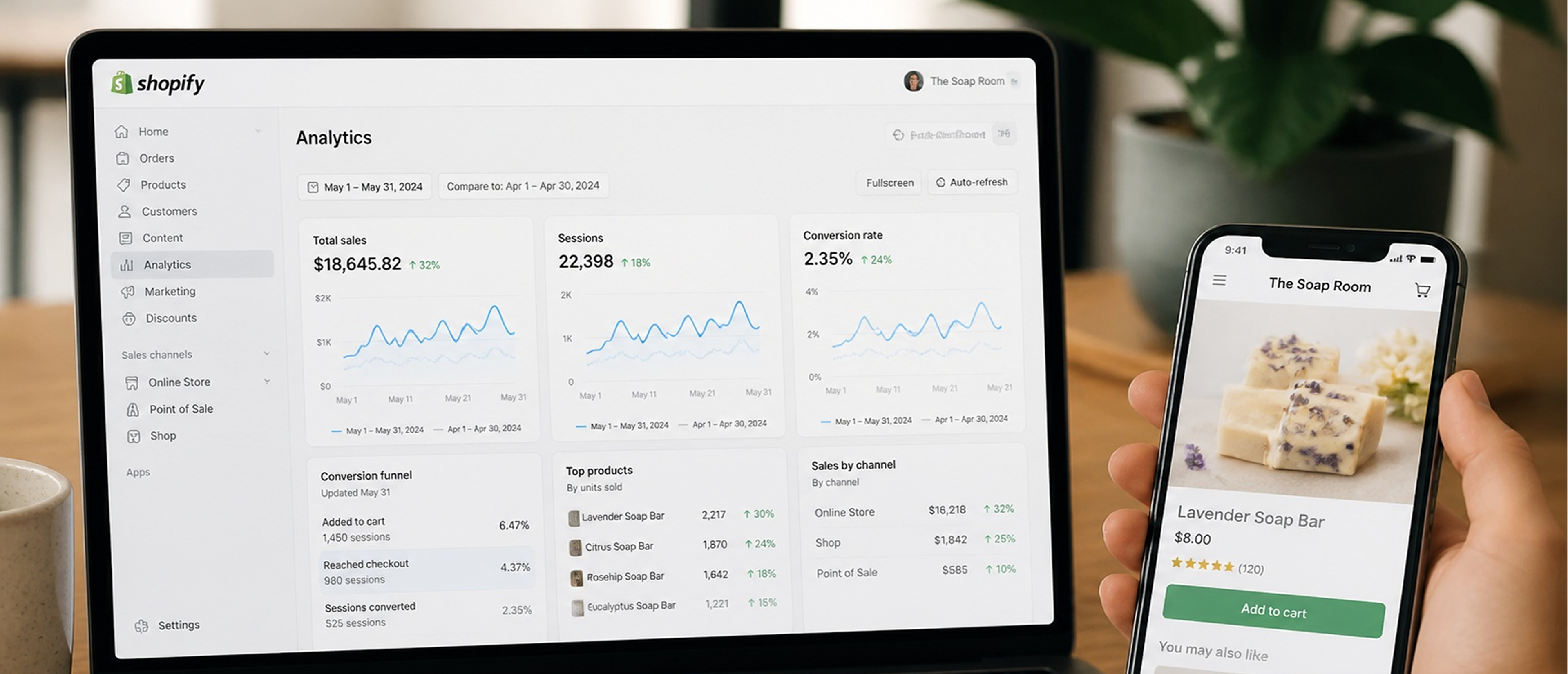
Growing an ecommerce business isn't simply about attracting more traffic.
Many Shopify brands spend thousands on paid advertising, influencer campaigns, and email marketing while ignoring the experience customers have once they arrive on the website.
The result is a store that attracts visitors but struggles to convert them into paying customers.
Many Shopify brands spend thousands on paid advertising, influencer campaigns, and email marketing while ignoring the experience customers have once they arrive on the website.
Why Conversion Rate Matters
A conversion rate represents the percentage of visitors who complete a desired action, such as making a purchase.
While many businesses focus exclusively on traffic growth, increasing conversion rates often delivers a greater return on investment because it maximizes the value of existing visitors.
Even small improvements can generate significant revenue gains over time.
Common Shopify Conversion Problems
Many ecommerce stores suffer from the same issues:
1. Confusing Navigation
When customers struggle to find products, they leave.
2. Slow Page Speed
Every second of delay increases abandonment rates and reduces customer satisfaction.
3. Weak Product Information
Customers need clear descriptions, benefits, specifications, and visuals before making a purchase decision.
4. Poor Mobile Experience
Since most ecommerce traffic comes from mobile devices, poor mobile usability directly impacts sales.
"The highest-converting ecommerce stores don't just look attractive. They remove friction, build trust, and guide customers toward confident purchasing decisions."
Product Page Optimization
Product pages are where purchase decisions happen.
Unfortunately, many brands treat product pages as simple catalogs rather than conversion tools.
Every Product Page Should Include
- Clear product imagery
- Benefit-focused descriptions
- Customer reviews
- Product specifications
- Shipping information
- Return policies
- Frequently asked questions
- Strong purchase CTA
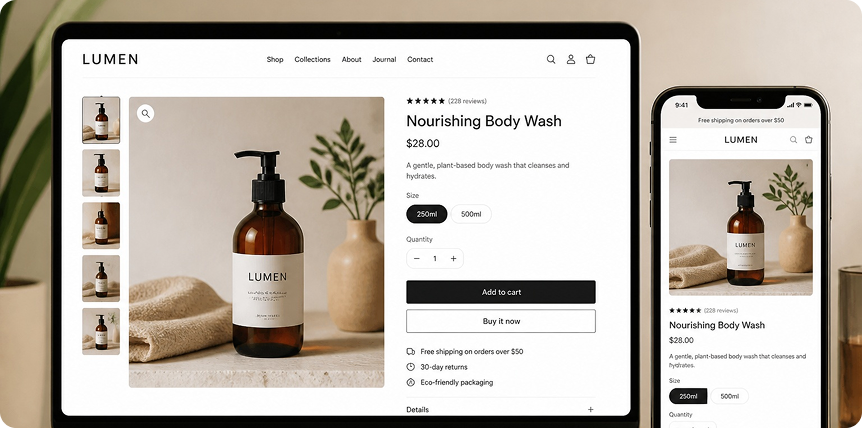
Optimized product pages help reduce customer uncertainty and increase purchasing confidence.


