

Influencer Marketing for Ecommerce That Actually Pays for Itself
A creator posts about your product. Their followers love it. Then you check Shopify the next morning... and sales barely moved.
That story is common for Shopify store owners and marketing leads at direct-to-consumer (DTC) brands. The post looked great, but nobody could tell you whether it made a single dollar of profit.
I'm Brian Cleary, founder of Interlace Digital, a performance marketing agency for Shopify brands. My team produces over 130 new ads every month. Creator video is a big part of that mix.
The brands that win with creators use that content to fuel their paid ads. That one shift changes who you hire, what you pay for, and how you judge success.
TL;DR on Influencer Marketing for Ecommerce
Here's the short version for Shopify stores:
- Influencer marketing works best for ecommerce when creator content runs as paid ads, beyond the creator's own feed.
- Nano and micro creators usually give a growing DTC brand the best value per dollar.
- Paying for usage rights matters as much as paying for the post itself.
- Judge results on new customers and total sales, since discount code counts miss a lot of buyers.
- Test several creators and hooks, then put your budget behind the winners.
What Is Influencer Marketing for Ecommerce
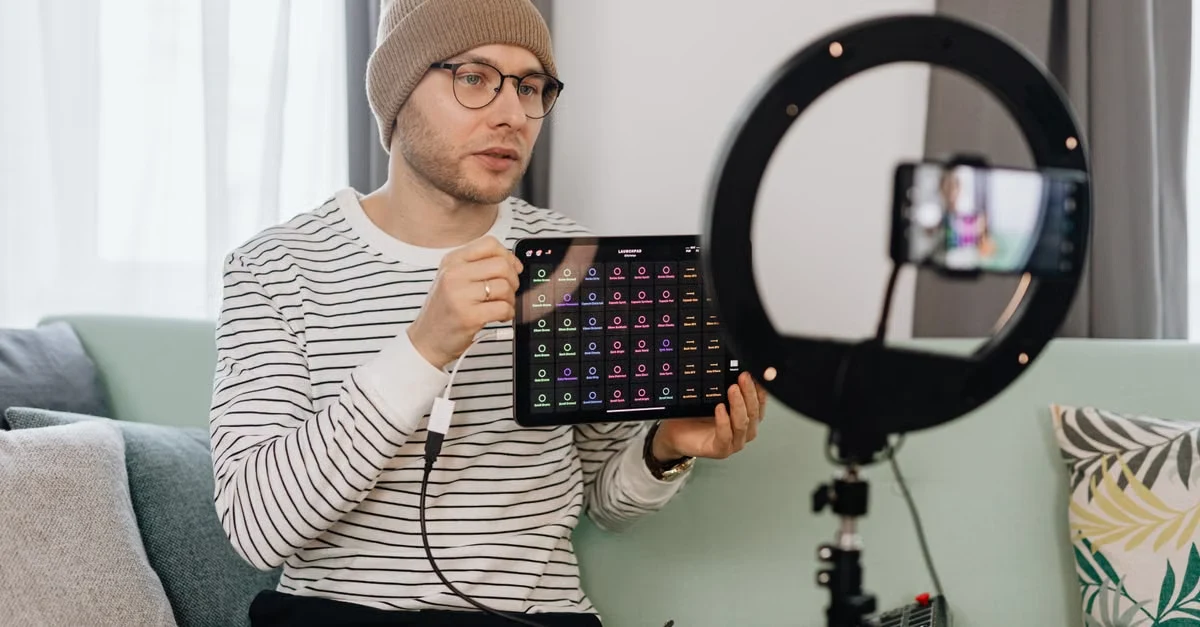
Influencer marketing for ecommerce is when an online store partners with creators to show its products to the people who follow them. A creator is anyone with an engaged audience on Instagram, TikTok, YouTube, or Facebook, from a local mom with 4,000 followers to a celebrity with millions.
You pay them in cash, free product, a cut of sales, or a mix of all three.
What sets ecommerce apart is the finish line. For a Shopify store, the goal is a purchase on your site that you can trace back to the creator's content.
Why Influencer Marketing Works for Shopify Stores
So why do creators sell products when your own brand ads struggle? It comes down to how people shop on social media.
Here's what a good creator brings to your store:
- Borrowed trust: Their followers already like and believe them, so a recommendation lands like advice from a friend.
- Native-looking content: A creator filming on their phone blends into the feed, which keeps people watching longer than a polished brand ad.
- New customers: Their audience is full of people who've never heard of you, which is exactly who your growth depends on.
- Fresh angles: Every creator explains your product a little differently. Each version is a new idea you can test.
I care most about that last one. The content a creator makes keeps paying off long after their post leaves the feed.
I learned this the hard way. Social media management used to bring in 6 figures a year for Interlace Digital (it was a service I thought every client needed).
In 2022, I dropped it. The value was always in the creative and the creators, so that's where we put our focus.
Influencer Tiers and Which Ones Fit a DTC Budget
Creators are usually grouped by follower count.
These are the tiers according to Shopify:
- Nano-influencers: These creators have 1,000 to 10,000 followers. Their audiences tend to be small and close-knit.
- Micro-influencers: These creators have 10,001 to 100,000 followers. They usually focus on one niche like skincare or cooking.
- Mid-tier influencers: These creators have 100,001 to 500,000 followers. Their reach is bigger, but so are their prices.
- Macro-influencers: These creators have 501,000 to 1 million followers. Many of them run like small media companies.
- Mega-influencers: These creators have 1 million followers or more. This tier includes celebrities.
For a growing Shopify brand, I'd start with nano and micro creators almost every time.
You can afford more of them... and that adds up fast.
More creators.
More hooks.
More chances to find a winner.
Big names can work for a launch. But one expensive post is one roll of the dice.
The 5 Main Ways Ecommerce Brands Work With Influencers
There's no single way to partner with a creator.
These are the 5 setups you'll see most often:
- Product gifting: You send free product with no promise of a post. It's cheap. And it shows you which creators genuinely love what you sell.
- Sponsored posts: You pay a flat fee for a set post, Reel, or video on the creator's own account.
- Affiliate links and discount codes: The creator earns a commission on every sale that comes through their link or code.
- Brand ambassador programs: A creator posts about you on a schedule over several months, usually for a monthly fee plus free product.
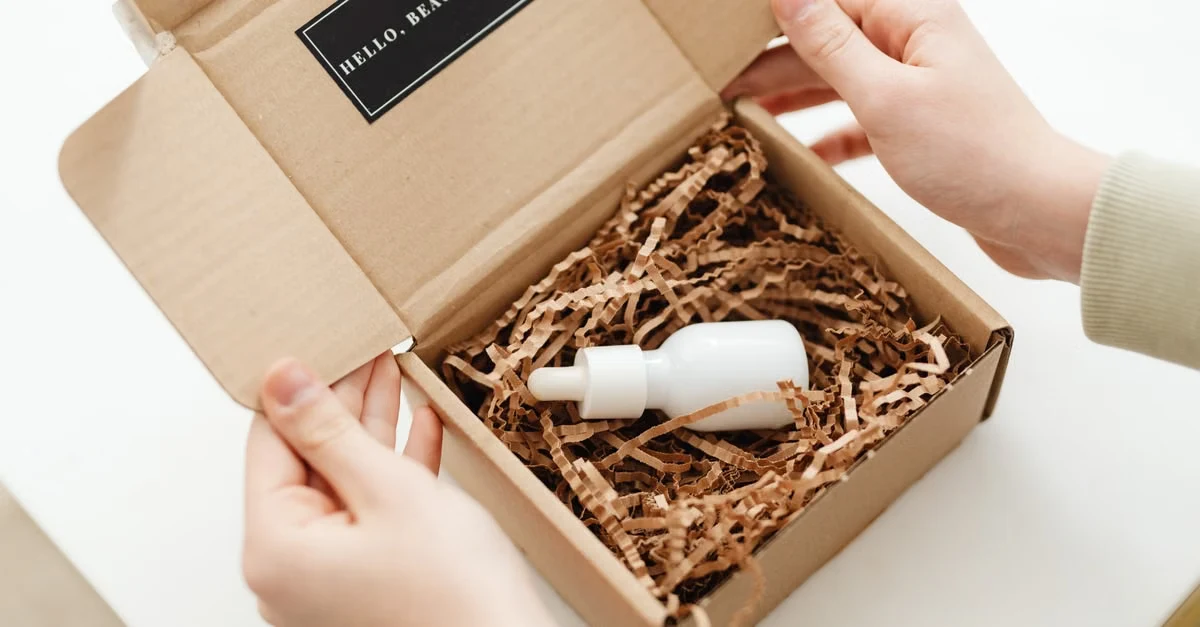
- Creator content for paid ads: You pay the creator to make videos you can run as ads from your account or theirs.
You can mix these. A gifting round, for example, is a cheap way to find the creators worth paying later.
The fifth setup is where I see the biggest wins for eComm brands (by a mile).
How Partnership Ads Turn Influencer Posts Into Paid Media
A sponsored post reaches the creator's followers once. Then it slides down their feed... and it's gone.
Partnership ads fix that. Meta, the company behind Facebook and Instagram, offers partnership ads that run from a creator's handle, so the ad shows their name while your budget and targeting do the work.
The creator gives you permission for one post or for their whole account. From there, you can show that video to brand-new buyers for as long as it keeps selling.
So what changes for your store?
Three things stand out:
- Reach: You put a creator's voice in front of the exact buyers you want, well beyond their own followers.
- Testing: You can run 5 creators against each other and see which one actually drives purchases.
- Shelf life: A winning video can sell for weeks, while an organic post fades in a day or two.
Here's a real example. One brand we worked with was already testing hundreds of static ads on Meta, but it needed a new push to reach the next stage of growth.
So what did we do?
We added user-generated content (UGC) videos, focused the account on one core offer, and scaled daily spend from $3,000 to $8,000 based on profitable numbers. That brand added $300,000 to its monthly revenue in less than 90 days.
That's the kind of work our UGC video service is built for. We source the creators, direct the shoot, and cut one shoot into many test-ready ads that run inside your Meta account, starting with a free creative review.
What Influencer Marketing Costs an Ecommerce Brand
Influencer rates aren't regulated, so prices swing a lot between creators. The same Shopify roundup puts Instagram rates at $25 to $150 per post for nano creators and $250 to $5,000 for micro creators (as of the time of writing).
How you pay matters as much as how much.
These are the common pay models:
- Gifting: You only pay for the product and shipping.
- Flat fee: You pay a set price per post or video, no matter how it performs.
- Commission: You pay a percentage of each sale the creator drives.
- Hybrid: You pay a smaller base fee plus a bonus per sale, which gives the creator a reason to push.
- Usage rights: You pay extra for the right to run their content in your ads, usually for a set number of months.
My take? Budget for usage rights from day one.
Those rights let you keep a winning video running as an ad for months. That's where most of the return comes from.

How to Run an Influencer Campaign for Your Shopify Store
A good creator campaign follows the same order every time.
These 5 steps keep it profitable:
1. A Clear Goal and a Target Cost per New Customer
Start with the number that decides everything: how much you can afford to pay for a new customer and still make money. That depends on your margins, your average order size, and how often people buy again.
Without that number, you can't tell a great creator from an expensive one. A clear Shopify marketing strategy built on margin gives you this target before you spend a dollar on creators.
2. Creators Whose Audience Matches Your Buyer
I always look first at people who already tag you, buy from you, or post about your category. They're easier to pitch because they already care.
Shopify Collabs can help once you have a shortlist. It's a Shopify app that lets you invite creators, send gifts or discount codes, and track affiliate sales from your Shopify admin.
Before you pay anyone, check where their followers live and how their past sponsored posts performed. A creator whose audience mostly lives outside the countries you ship to won't move your sales.
3. A Brief That Leaves Room for the Creator
Give the creator the essentials: what the product does, the problem it solves, and the proof points that matter. Add anything they must say or must avoid, like a health claim you can't make.
Then let them talk the way they talk. A script that sounds like your website kills the trust you're paying for.
When we brief creators, we ask for 3 or 4 different openings for each video. The first 2 or 3 seconds decide whether anyone keeps watching, so extra hooks give you more to test.
4. Pay Terms and Usage Rights in Writing
Put the deal in a short written agreement. It should cover the price, the deliverables, the deadline, and who can use the content where.
Spell out usage rights clearly: which channels, how many months, and whether you can run it as a partnership ad. This one line saves a lot of awkward conversations later.
5. Ad Testing Before You Scale Spend
We launch each creator video as a small test inside Meta. Give the tests a few days, then move budget toward the videos that bring in new customers at your target cost.
This is where creator content shows its value. When Sticky Brand came to us, its Meta ads were running static images only.
We overhauled the account. UGC video ads were one part of that rebuild. The brand reported $729K in revenue from ads in the first 90 days.
Keep feeding the account new creator videos every month. Winners fade, so you want the next one ready before they do.
Common Influencer Marketing Mistakes Ecommerce Brands Make
The same few mistakes drain budget from creator campaigns over and over.
Here are 4 to avoid:
- Sending creator traffic to a weak product page: A great video can't save a slow, confusing page. Strong Shopify web design on your product and landing pages turns that interest into orders.
- Treating creators as a one-off campaign: One post rarely proves anything. The brands we see win keep testing new creators every month.
- Running one creator video until it burns out: Every ad gets tired eventually. Susan Ciminelli Skincare reported 48% more Shopify sales on 35% less ad spend than the previous 12 months after we rebuilt its creative testing with partner Mr. Smith Agency.
- Letting someone else own your ad account: Your ad account and your creator content should ALWAYS belong to your brand. If an agency or platform walks away with them, you start from zero.
How to Tell Whether Influencer Marketing Is Profitable
Discount codes are the most common way brands track creators. They also miss a lot of sales.
People see a creator's video, then buy days later by typing your name into Google. Others grab your code from a coupon site and use it with no creator involved.
I never judge a creator program on code sales alone.
I look at the whole business instead:
- Blended return: Your total store revenue divided by your total ad spend, across every channel.
- New customers: How many first-time buyers you added while the creator content was live.
- Total sales trend: Whether overall Shopify sales went up compared with the same period before.
If those three numbers rise together, the creators are working. If your ad dashboard looks great while total sales sit flat, something's off.
Not sure your Meta numbers are telling the truth? Our free Facebook ads audit checks your tracking and creative mix by hand, then gives you a findings report and a 90-day plan you keep.

Frequently Asked Questions (FAQs)
These are the questions Shopify brand owners ask most about creator marketing:
Is Influencer Marketing Worth It for Small Shopify Stores?
Yes, if you start small and measure it properly. Gifting and a few nano creators cost very little. The content alone can feed your ads for months.
What Is the Difference Between Influencer Marketing and UGC?
Influencer marketing pays for access to a creator's audience. UGC is content made by creators or customers that you run on your own channels and ads, whether or not the creator has a big following.
Which Platform Works Best for Ecommerce Influencer Marketing?
For Shopify brands that run Meta ads, Instagram is usually the best place to start. Instagram creators are easy to turn into partnership ads. TikTok can work too, but that content needs its own ad setup.
Do Influencers Have to Disclose Paid Partnerships?
Yes. According to the Federal Trade Commission (FTC), creators must clearly disclose any material connection to a brand, including free or discounted products. The FTC also warns that a platform's built-in disclosure tool may not be enough on its own.
How Many Influencers Should I Work With at Once?
Start with 5 to 10 creators so you can compare results. That's enough to spot a pattern without spreading your budget too thin.
How Long Does It Take to See Results From Influencer Marketing?
Gifting and organic posts can show early signs within a few weeks. Paid creator ads usually need at least a month of testing before you know which videos are worth scaling.
Turn Creator Content Into Profitable Growth With Interlace Digital
The best creator programs don't stop at one post. They turn every good video into an ad, test it, and keep the winners running.
That's what we do at Interlace Digital. We're a Buffalo-based performance marketing agency for Shopify stores and DTC brands.
Our team runs your Meta and Google ads. We also produce the creative that feeds them, including creator videos, static ads, and animations.
Every decision is measured against real profit and new customers. Flattering dashboard numbers don't count.
If you want creators that actually grow your store, book a free discovery call with our team to see where your next sales are coming from.

Social Media


